Serving West Haven, CT and surrounding areas. (203) 355-3923
West Haven Concrete serves Bridgeport, CT, building patios, driveways, steps, and foundations on the pre-1940 two- and three-family homes that define this city - with permitted work, written quotes, and real experience on tight urban lots and coastal Long Island Sound conditions, responding within one business day of your first call.
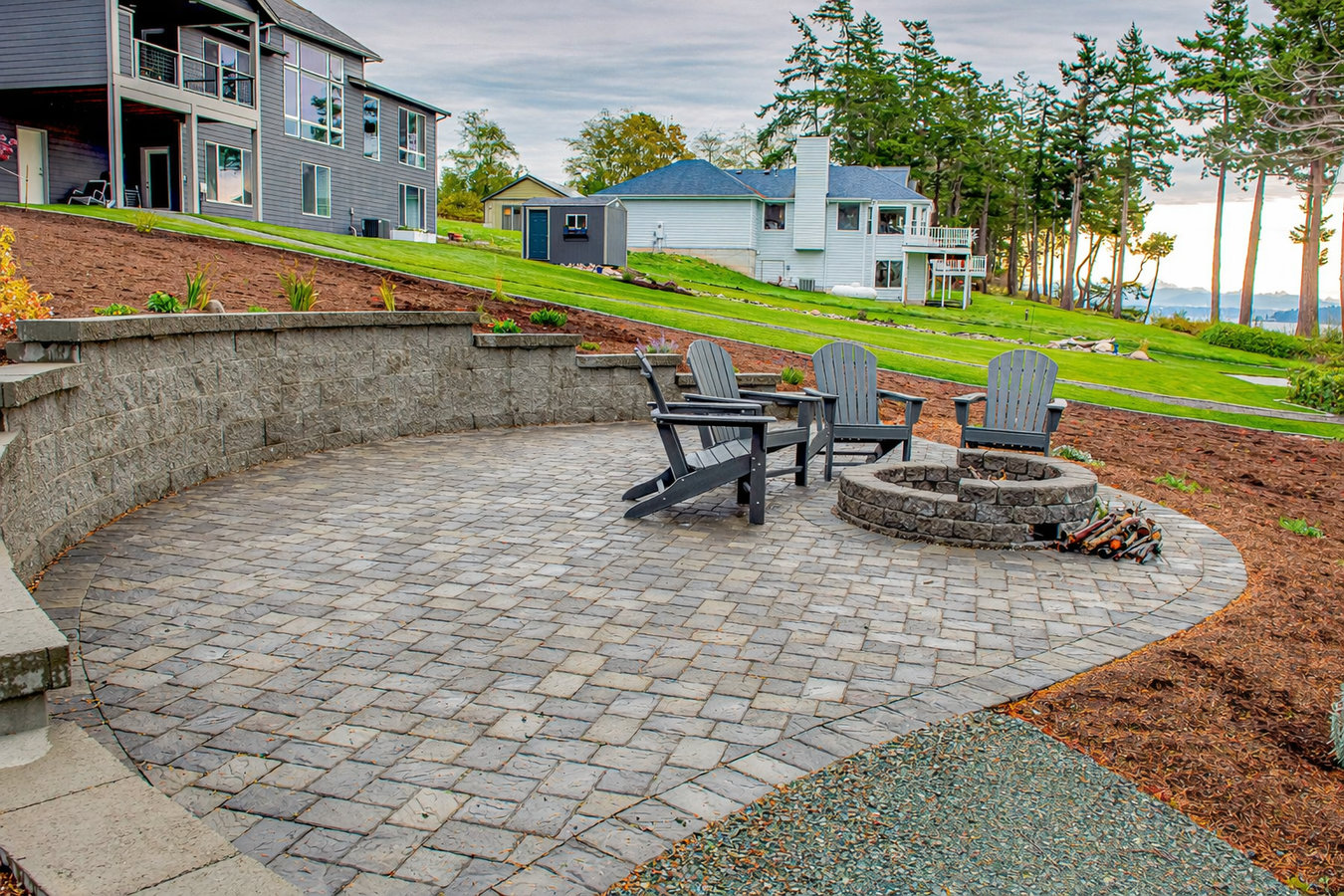
Bridgeport's two- and three-family homes - common throughout Black Rock, the East Side, and the North End - rarely came with any hardscaped outdoor area. Rear yards on Bridgeport's tight urban lots often stay muddy and unusable for much of the year. A properly graded concrete patio built on a solid compacted base solves both problems and holds up through the coastal freeze-thaw winters this city sees every year. See our concrete patio construction service page for details on the installation process, cost ranges, and finish options.
Most Bridgeport driveways serving pre-1940 homes were poured to standards that predate modern slab thickness and base-depth requirements. These surfaces show the cumulative result of decades of freeze-thaw cycling, storm flooding, and salt-air deterioration - flaking, heaving, and cracking across large areas. Replacement to current specifications is more cost-effective than continued patching, and it gives the property a clean, level surface built for today's vehicles.
Exterior steps on Bridgeport's older homes - including the Victorian and Colonial stock in Black Rock and the dense pre-war housing throughout the East End - commonly crack, pull away from the building, or heave after decades of frost movement. Cracked and uneven steps are a safety hazard on any property, but particularly on rental buildings where multiple households use the same entrance. We replace failing steps with reinforced concrete formed and anchored to stay connected through seasonal ground movement.
Bridgeport's older neighborhoods have block after block of front walkways and public-facing sidewalks that have cracked and heaved through decades of root intrusion and freeze-thaw cycles. Property owners with a city sidewalk in disrepair may face municipal notice to repair - we handle replacements to the specifications the Bridgeport Building Department requires, pulling permits and coordinating any required inspection.
Bridgeport's oldest homes - many built before 1920 - sometimes have stone or rubble foundations that no longer provide adequate structural support for the building above. When a full foundation replacement is the right answer, we work on the tight urban lots Bridgeport is known for, managing equipment access and working to minimize disruption to neighboring properties on dense residential blocks.
Bridgeport is Connecticut's largest city, and it is built almost entirely on housing stock that predates modern concrete standards. Census data shows the majority of the city's homes were built before 1940, and a large share date to the late 1800s and early 1900s. Concrete on those properties - driveways, walkways, patio slabs, front steps, and foundations - was poured with the materials and methods of a different era. Bridgeport's freeze-thaw winters, which push temperatures above and below freezing repeatedly from November through March, apply stress that original thin-poured slabs and rubble-mortar foundations were not designed to absorb. The result is visible on blocks throughout the East Side, the North End, and the East End: cracked driveways, heaved walkways, and steps that have pulled away from the building over decades of frost movement.
The city's coastal position adds another layer of demand. Neighborhoods like Black Rock and the South End sit close to Long Island Sound, and the salt air there accelerates surface deterioration on concrete that was not built with coastal exposure in mind. Bridgeport gets about 47 inches of rain per year, spread across all seasons, and many of the city's older properties have aging or absent drainage systems. Spring soil saturation - particularly on the dense urban lots common throughout the city - puts hydrostatic pressure on foundations and base layers that contributes to the heaving and cracking that Bridgeport homeowners deal with every spring. A contractor who has actually worked on Bridgeport properties understands these conditions before the job starts.
We pull permits through the Bridgeport Building Department and are familiar with what the city requires for driveway work, patio slabs, steps, and foundation projects. Bridgeport has flood zone designations in several coastal and low-lying neighborhoods that affect permit review for properties near Long Island Sound - a detail that contractors who have not worked here before often do not anticipate. We handle the permit process from start to finish, including any additional documentation the city requires for properties in regulated zones.
Working on Bridgeport's tight urban lots requires different logistics than suburban jobs. Equipment access on narrow driveways and densely packed residential blocks means planning material delivery and staging carefully. Many Bridgeport properties have two or three units, and coordinating work around tenant schedules and shared entrances is a routine part of the job for us. From the Colonial and Victorian homes in Black Rock - a neighborhood known for higher owner-occupancy and maintained properties - to the dense pre-war rental stock in the East End, we know what to expect from houses that have been standing for 80 to 100 years.
We serve homeowners in neighboring West Haven, which shares Bridgeport's coastal conditions and older housing stock along Long Island Sound, and in Milford, where pre-war Colonials and Cape Cods face similar freeze-thaw challenges. If you are comparing contractors across these New Haven County cities, we have current work experience in all three.
Reach out by phone or contact form and we reply within one business day. We ask about the type of work, approximate size, and whether the property is near the water or on a particularly tight lot - so the site visit is focused before we arrive.
We visit your Bridgeport property, assess lot access, soil and drainage conditions, and give you a written, itemized estimate. We walk through every cost so you understand exactly what you are paying for before you make any decision.
We apply for the required permit with the Bridgeport Building Department before any work starts. Permit processing typically takes one to two weeks. We confirm a start date with you before scheduling equipment and material delivery.
We complete every phase - demolition, base preparation, forming, the pour, and finishing - then coordinate any required city inspection. All equipment and debris are removed, and we hand you permit documentation before we leave.
We work on Bridgeport's older homes, tight lots, and coastal properties. Written quotes, permitted work, and responses within one business day.
(203) 355-3923Bridgeport is Connecticut's largest city, with about 148,000 residents packed into a dense urban footprint on Long Island Sound in Fairfield County. The city is known for its working-class history, its role as a manufacturing center through much of the 20th century, and its genuinely varied neighborhoods - from the maintained Colonials and Victorians of Black Rock on the western waterfront to the denser pre-war rental stock throughout the East Side and East End. According to Wikipedia's article on Bridgeport, the city has been home to P.T. Barnum - who served as its mayor - and the legacy of that era is visible in the Barnum Museum downtown. Seaside Park, designed by Frederick Law Olmsted, runs along the city's southern waterfront and is one of the most recognized public spaces in the city.
A large share of Bridgeport's housing stock was built before 1940, with many homes dating to the late 1800s and early 1900s. Two- and three-family homes are widespread throughout the city - a building type that requires a contractor who understands tenant coordination, shared entryways, and the logistics of working on dense urban lots. About 60 percent of households are renters, but the neighborhoods with higher owner-occupancy rates - particularly Black Rock - have property owners who invest in maintaining their buildings and exterior surfaces. Nearby West Haven shares Bridgeport's coastal character and older housing stock, while Milford to the southwest has a similar mix of pre-war Colonials and Cape Cods dealing with the same freeze-thaw conditions.
Durable concrete driveways built to last through Connecticut winters.
Learn moreCustom concrete patios designed for outdoor living and entertaining.
Learn moreDecorative stamped concrete that replicates stone, brick, and more.
Learn moreSmooth, ADA-compliant concrete sidewalks for homes and businesses.
Learn moreEngineered concrete retaining walls that hold soil and add curb appeal.
Learn moreLevel, reinforced concrete floors for residential and commercial spaces.
Learn moreSolid concrete steps and stoops crafted for safe, lasting entry.
Learn moreProperly graded and reinforced slab foundations for new construction.
Learn moreComplete foundation installation services for residential projects.
Learn moreServing these cities and communities.
Bridgeport's older homes and coastal winters demand concrete built correctly from the base up. Call now or submit the form - we respond within one business day and all quotes are written and itemized.