Serving West Haven, CT and surrounding areas. (203) 355-3923
Water in the basement, sticking doors, or building something new? We install foundations in West Haven with proper waterproofing, permitted inspections, and footings built for Connecticut winters.
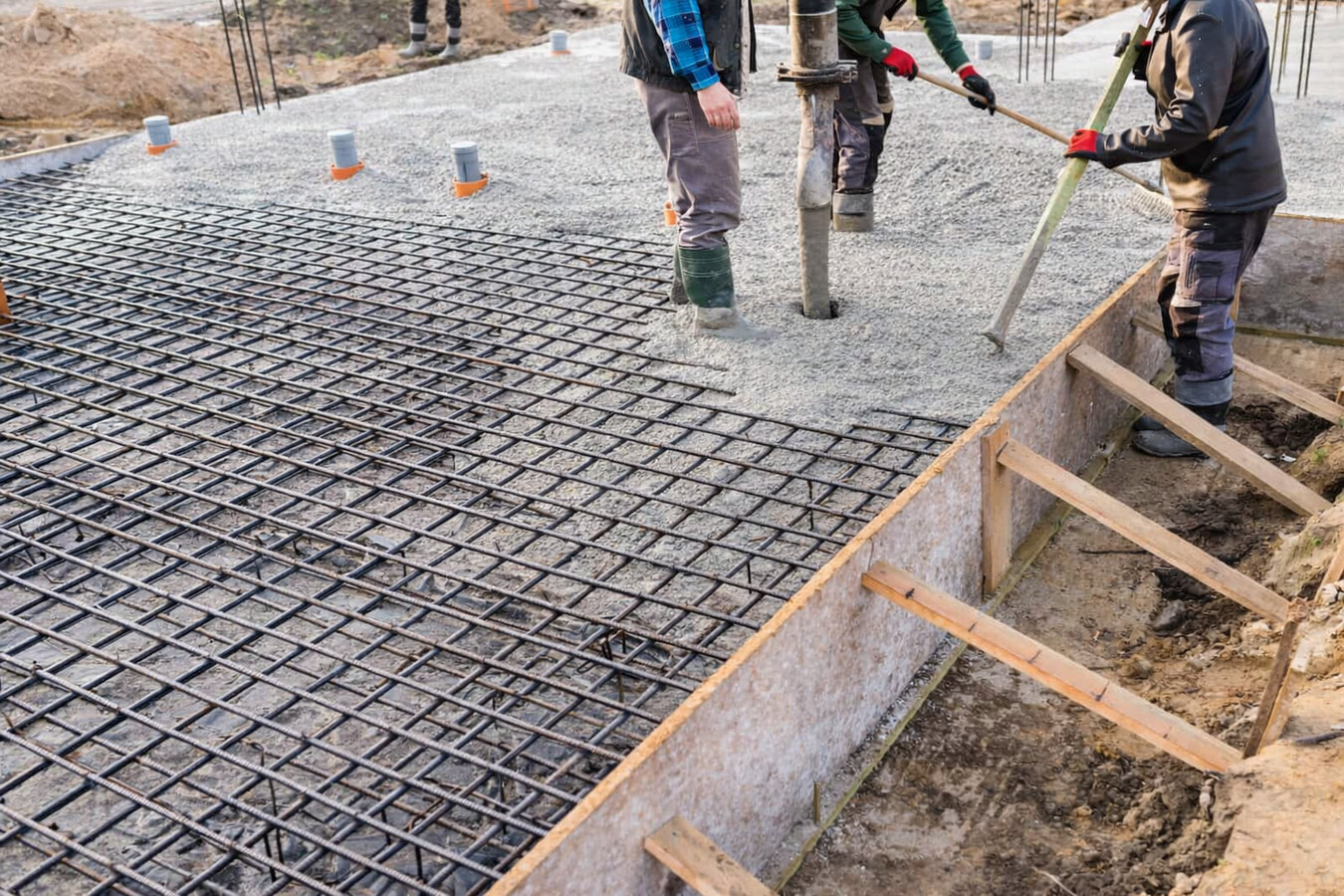
Foundation installation in West Haven involves excavating to below the 42-inch frost line, pouring footings, forming and pouring the foundation walls with steel reinforcement, applying exterior waterproofing, and backfilling with properly graded soil - most residential projects run three to six weeks from permit approval to the point where framing can begin. The concrete needs several days to cure before loads go on it, and the city inspector checks the work at the footing stage and again at the final walkthrough.
West Haven homeowners call for this service when they are building new homes, major additions, or replacing foundations in older properties that have cracked, shifted, or are no longer keeping water out. The foundation is the piece everything else depends on, and problems here - water intrusion, uneven settling, frost heave - show up in every room above grade over time. For projects that call for a flat slab rather than full foundation walls, our slab foundation building service covers garages, additions, and accessory structures from prep to pour.
If doors or windows have started sticking, dragging, or no longer latching the way they used to, the structure may be shifting. Foundations that have settled unevenly cause the frame above to rack slightly out of square. This is one of the earliest visible signs that something is happening below grade, and it is worth having a professional look before the movement gets worse.
Small hairline cracks in concrete are normal. But cracks wider than a quarter inch, horizontal cracks running across a wall, or cracks where one side has shifted higher than the other are warning signs. In West Haven's older housing stock - much of it built before modern waterproofing standards - these cracks often indicate that water pressure or soil movement has been working on the foundation for years.
West Haven's combination of clay soils, high water tables in lower neighborhoods, and heavy spring rain events means basement water intrusion is a frequent problem here. Puddles, damp walls, or a musty smell after wet weather can mean your foundation is no longer keeping water out. The cause may be failed waterproofing, poor grading, or cracks that allow seepage.
The sill plate is the wooden board that sits on top of your foundation wall and connects the house frame to the foundation. If you can see daylight, feel a draft, or notice an uneven connection from inside your basement, the foundation may have shifted. In mid-20th century West Haven homes, this connection was often made without modern anchor bolts, making separation more likely over time.
We handle the full foundation installation process for residential projects in West Haven - from permit application through final city inspection sign-off. That includes excavating to the correct depth, installing and inspecting the footings, forming and pouring the foundation walls, applying an exterior waterproofing membrane, installing a drainage board and perimeter drain pipe, and backfilling with properly graded soil that directs water away from the structure. Every job includes the permit and all required inspections. You receive the documentation when we are done.
For commercial or multi-family projects, or for properties where flatwork and surface concrete will be needed around the new foundation, our concrete parking lot building service covers exterior concrete work that ties in with new construction. We size every foundation to what the structure above will carry, account for local soil and groundwater conditions, and design the drainage system for West Haven's wet spring seasons.
For new homes, garages, or commercial builds where the lot is clear and the foundation is the first permanent structure on-site.
Suits home additions where the new foundation must connect to or be isolated from the existing structure, with drainage matched to the site.
For West Haven homes built in the 1920s through 1960s where the original foundation has cracked, shifted, or is allowing water in.
For shoreline and lower-elevation West Haven properties where FEMA flood zone designations require specific elevation or flood vent designs.
West Haven's combination of coastal proximity, older housing stock, and clay-heavy soils creates a set of conditions that show up in every foundation project here. The city borders Long Island Sound, and large portions of West Haven - particularly lower-elevation neighborhoods near the shore and the West River - have naturally high groundwater levels. During excavation, contractors often encounter water in the hole before the concrete is even ready to pour. Managing that water, and building a waterproofing system that handles the sustained soil saturation West Haven sees every spring, is different work than what a contractor does on an inland lot in Hamden or Meriden.
Much of West Haven's residential housing was built between the 1920s and 1960s, and many of those original foundations were never designed to last a century. Replacing or repairing them means working around existing structures, mature trees, older utility lines, and previously disturbed soil. Teams serving homeowners in Meriden, CT and New Britain, CT face similar mid-century housing stock, and we bring that same experience to every West Haven job. The permit process, the frost line requirements, and the flood zone awareness are all built into how we plan the work before the first shovel goes in.
We ask what you are building, the approximate size, and whether you already have plans. We schedule a site visit before giving any price - foundation work is too site-specific to quote over the phone. We respond within 1 business day.
Before any digging starts, we submit the permit application to the West Haven Building Department with a site plan. The city reviews and issues the permit - usually one to two weeks. We handle this for you; you just sign anything that requires the homeowner's signature.
With the permit in hand, we excavate, install forms, and pour the footings first. A city inspector checks the footings before the walls are poured. Once footings pass inspection, the foundation walls are formed and poured with reinforcement in place.
After the concrete cures, we apply exterior waterproofing to the walls, install drainage board and a perimeter drain pipe, then backfill and grade the soil away from the foundation. The city inspector does a final walkthrough and you receive the sign-off documentation.
Foundation pricing depends on your specific lot and soil conditions - a quick site visit gives you a real number, not a guess. No obligation.
(203) 355-3923We submit the West Haven Building Department application, coordinate all required inspections, and hand you the final paperwork. Your foundation has an official city record - which protects you at resale and confirms the work was done to standard.
We treat waterproofing as a core part of the job, not an optional line item. West Haven's clay soils and high water tables in lower neighborhoods make a proper membrane and drainage system essential - interior coatings alone are not enough here.
Parts of West Haven near the shoreline and the West River carry FEMA flood zone designations that affect foundation design. We know what those requirements mean and factor them in from the first conversation - not as a mid-project surprise.
We visit your property before we quote because soil conditions, groundwater levels, and access vary across West Haven. You will know exactly what you are paying and why before we touch the ground.
Connecticut requires contractors doing home improvement work - including foundation installation - to hold a current registration with the state. You can verify any contractor at portal.ct.gov/DCP. We are registered, we pull permits on every qualifying job, and we give you the paperwork that confirms the work was inspected and passed.
Once your foundation is in, we can also build the concrete surface work around it - driveways, parking areas, and flatwork that ties the whole project together.
Learn moreFor projects that call for a flat slab rather than full foundation walls, our slab foundation service covers garages, additions, and accessory structures from prep to pour.
Learn moreSpring is the busiest season for foundation work in Connecticut - locking in your start date now means your project will not get pushed into summer.