Serving West Haven, CT and surrounding areas. (203) 355-3923
A sunken foundation does not always mean a full replacement. We lift settled slabs back to level using proven methods, handle the permits, and address the drainage issues that caused the sinking.
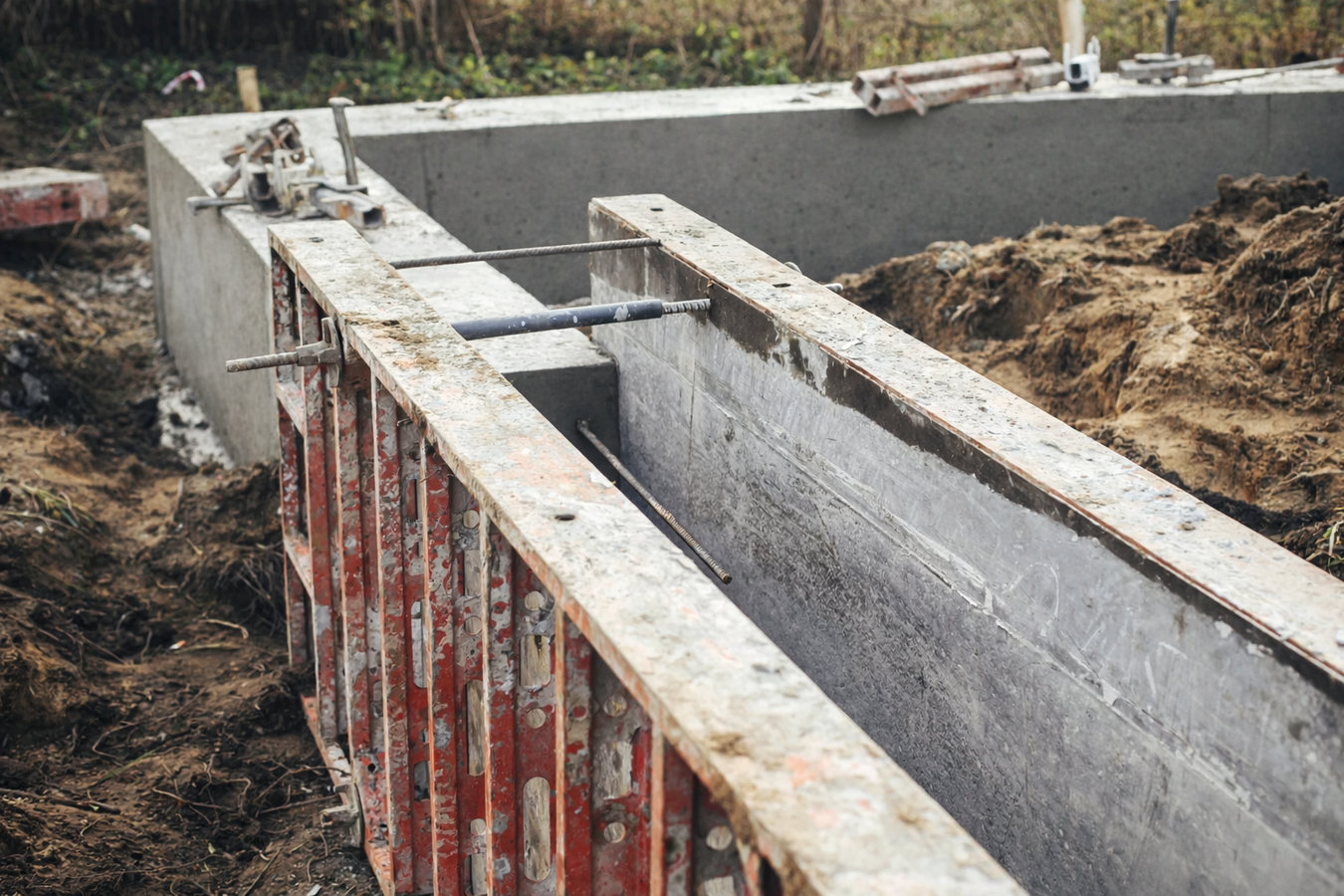
Foundation raising in West Haven lifts a settled or uneven slab back to its original position by pumping material beneath it through small drilled holes - most residential jobs are completed in a single day, with the surface walkable by evening and no heavy demolition involved.
West Haven sits in a climate where the ground freezes and thaws every winter, and many of its neighborhoods were built in the mid-20th century on soil that was not compacted to modern standards. That combination - decades of freeze-thaw cycles on top of aging fill - is exactly why foundation sinking is common here. If you have noticed doors starting to stick, floors that feel slightly off, or cracks forming near window corners after a wet season, those are signs worth getting looked at sooner rather than later. In some cases, raising is the right fix. In others, the concrete is too deteriorated and a new slab foundation is the better investment - and we will tell you honestly which situation you are in.
When a foundation shifts, the frame of your house shifts with it - and doors and windows are often the first place you notice. If a door that used to swing freely now drags on the floor or a window no longer latches properly, the opening has likely gone slightly out of square. This is especially common in West Haven's older homes after a wet winter or a freeze-thaw season.
Cracks that start at the corners of windows or doors and run diagonally toward the ceiling are a classic sign that part of your foundation has moved. Hairline cracks in drywall are normal in any house, but cracks wider than a pencil tip or ones that have grown since you first noticed them deserve a professional look. In West Haven homes built before 1980, these cracks often appear after a particularly wet spring.
Walk slowly across your basement or ground-floor slab and pay attention to whether it feels level. If you notice a slope, a soft spot, or a section that feels different underfoot, the concrete beneath may have dropped. You can also set a small ball on the floor - if it rolls consistently in one direction, that is a signal worth investigating.
If you can see a gap opening between your basement floor and the wall, or between an exterior step and the house, the slab has moved downward relative to the structure above it. This is one of the clearest signs that raising is needed. Even a small gap - a quarter inch or less - is worth having looked at before it grows and causes further structural movement.
We offer both mudjacking - the traditional cement-and-soil slurry method that has been used reliably for decades - and polyurethane foam injection, which is lighter, cures faster, and leaves smaller holes in your slab. Both methods fill the void beneath a sunken slab and push it back to level. Mudjacking is typically the more affordable option for larger areas; foam injection is often the better choice for smaller jobs, interior slabs, or situations where the lighter material is important. We tell you which approach makes sense for your specific situation before any work begins.
Every foundation raising job we do in West Haven includes a drainage conversation. Lifting a slab without addressing the water or soil problem that caused it to sink is a short-term fix. We look at grading, downspout placement, and the general drainage picture around your foundation before we leave - and we tell you what needs attention. For homes where the concrete itself is too deteriorated for raising to make sense, we can connect the work to our concrete cutting service to remove the failed section, and then slab foundation building for a full replacement.
Best for larger sunken areas where cost is the primary concern and the traditional slurry method is well-suited to the soil conditions.
Best for smaller jobs, interior slabs, or situations where faster curing and lighter material weight are important factors.
For driveways that have dropped in sections, creating uneven joints or tripping hazards that get worse every winter.
For basement floors or garage slabs that have settled and are affecting the level of the floor or the walls around it.
West Haven sits on Long Island Sound, and many of its neighborhoods - including areas near West Haven itself and the city's coastal sections near Bradley Point Park - have naturally higher water tables than inland Connecticut communities. Saturated soil loses its ability to support a slab's weight, and water moving through the ground washes away the fine particles that keep soil dense and stable. After major storms like the ones that affected the West Haven shoreline in recent years, demand for foundation raising work spikes because so many homeowners discover new settling and cracks they had not noticed before. Getting an assessment soon after a storm event gives you more options and more time to compare contractors before the busy season fully arrives.
The city's housing stock is another factor. A large share of West Haven's residential neighborhoods were built between the 1940s and 1970s - homes that are now 50 to 80 years old. Foundations from that era were often poured on soil that was not compacted to current standards, and decades of Connecticut freeze-thaw winters have had time to work their way under those slabs. Homeowners in Hamden and other nearby communities with similar mid-century housing stock see the same patterns. The age of the foundation is not a reason to panic - it is simply context for why raising is one of the most requested services we get calls about in this part of Connecticut.
When you call, we will ask what you are seeing and how long it has been happening. We schedule a site visit within a few days - no obligation, no upfront cost, and we respond to all requests within 1 business day.
We walk the affected area, check the slope with a level, and look at cracks and gaps to determine how much the slab has dropped and what caused it. You receive a written estimate and a plain-English explanation before any work begins.
We submit the structural permit paperwork through the West Haven Building Department - you do not have to handle this yourself. Processing typically adds a few days to a week, and we track it so your schedule stays on track.
The crew arrives with pump equipment, drills a pattern of small holes, injects the lifting material in controlled amounts, and patches every hole before they leave. A city inspector then signs off on the work, and you can walk on the surface the same day in most cases.
No obligation, no sales pitch. We come out, look at what is happening, and give you a straight answer about whether raising is the right fix - before you spend a dollar.
(203) 355-3923West Haven requires a structural permit for foundation work, and we handle it for you from submission through the final inspector sign-off. Unpermitted repairs can derail a home sale and leave you with no recourse if something goes wrong later.
The most common reason West Haven foundations sink again is unresolved water - from the high water table near the shore, gutters directed too close to the slab, or poor grading. We point out drainage issues during every job so your repair lasts as long as possible.
We have worked on homes near Bradley Point Park, Savin Rock, and throughout the city's shoreline areas. Coastal soil near Long Island Sound holds more moisture than inland soil and behaves differently - we account for that in every lifting job we price and perform.
Not every sinking slab is a raising candidate. If the concrete is too deteriorated to be worth lifting, we say so and explain why - rather than taking the job and delivering a result that will not last. That honest call is how we earn repeat work from West Haven homeowners.
The International Concrete Repair Institute sets the professional standards for concrete repair work in the U.S., and we follow those guidelines on every foundation raising job we do. West Haven homeowners trust us because we give honest assessments, pull the required permits, and treat each job as if our own home were on the line.
When a sunken slab is too damaged to raise, precise concrete cutting removes the affected section cleanly so the base can be repaired and new concrete poured.
Learn moreFull slab replacement for cases where the concrete is too deteriorated to restore through raising alone.
Learn moreWest Haven's busy season for foundation work fills up fast after winter. Schedule your free assessment now and get on the calendar before the spring rush.